

Article: Pearls from the Pearl of the Seas: A Look at Filipino Pearls
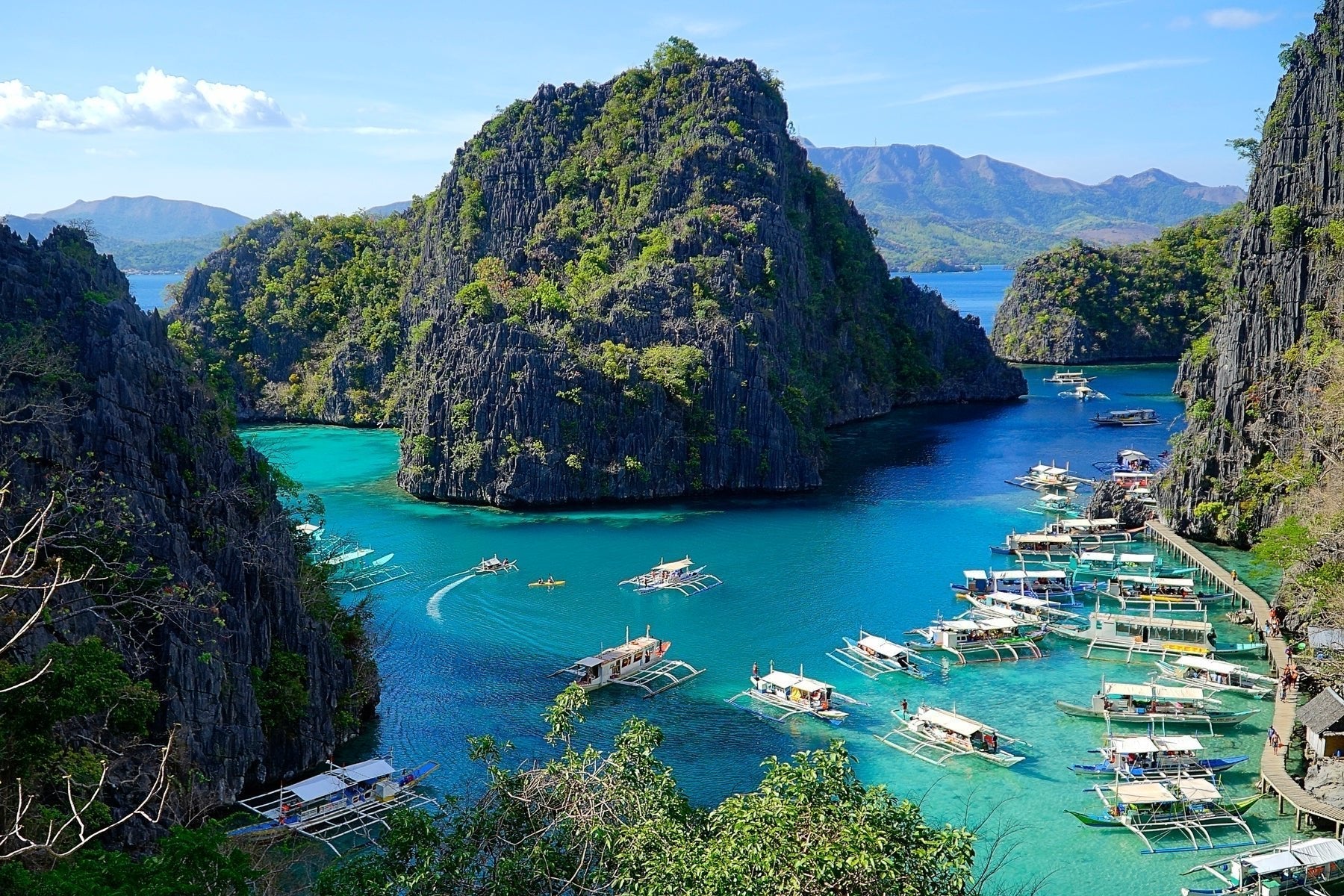
Pearls from the Pearl of the Seas: A Look at Filipino Pearls
What is a Freshwater Pearl?
Rather than growing in the sea like the other pearl types, freshwater mussels grow in lakes, rivers, ponds and reservoirs, hence their name. Their pearls come in a range of white, peach, pink and purple colours and have a lovely, soft lustre that’s often described as giving them an inner glow.

The freshwater pearl mussel is one of the longest-lived invertebrates know, maturing at 10-15 years. Freshwater pearl mussels develop very slowly and can live for more than 100 years, reaching 12-15cms in length.
The life span and maximum size reached are highly variable between populations, depending on environmental conditions like water chemistry and water temperature. They prefer to live in small sand patches stabilized amongst large stones or boulders in fast-flowing streams and rivers.

These precious natural gemstones are created over many years by forming layers of lustrous mother-of-pearl nacre around a natural irritant such as a grain of sand or piece of seaweed. Our freshwater pearls can take anywhere from 3 – 5 years to reach maturity before they are turned into elegant jewelry pieces, and up to 7 years for our larger rare baroque designs. Each freshwater mussel can grow up to 40 pearls at a time!
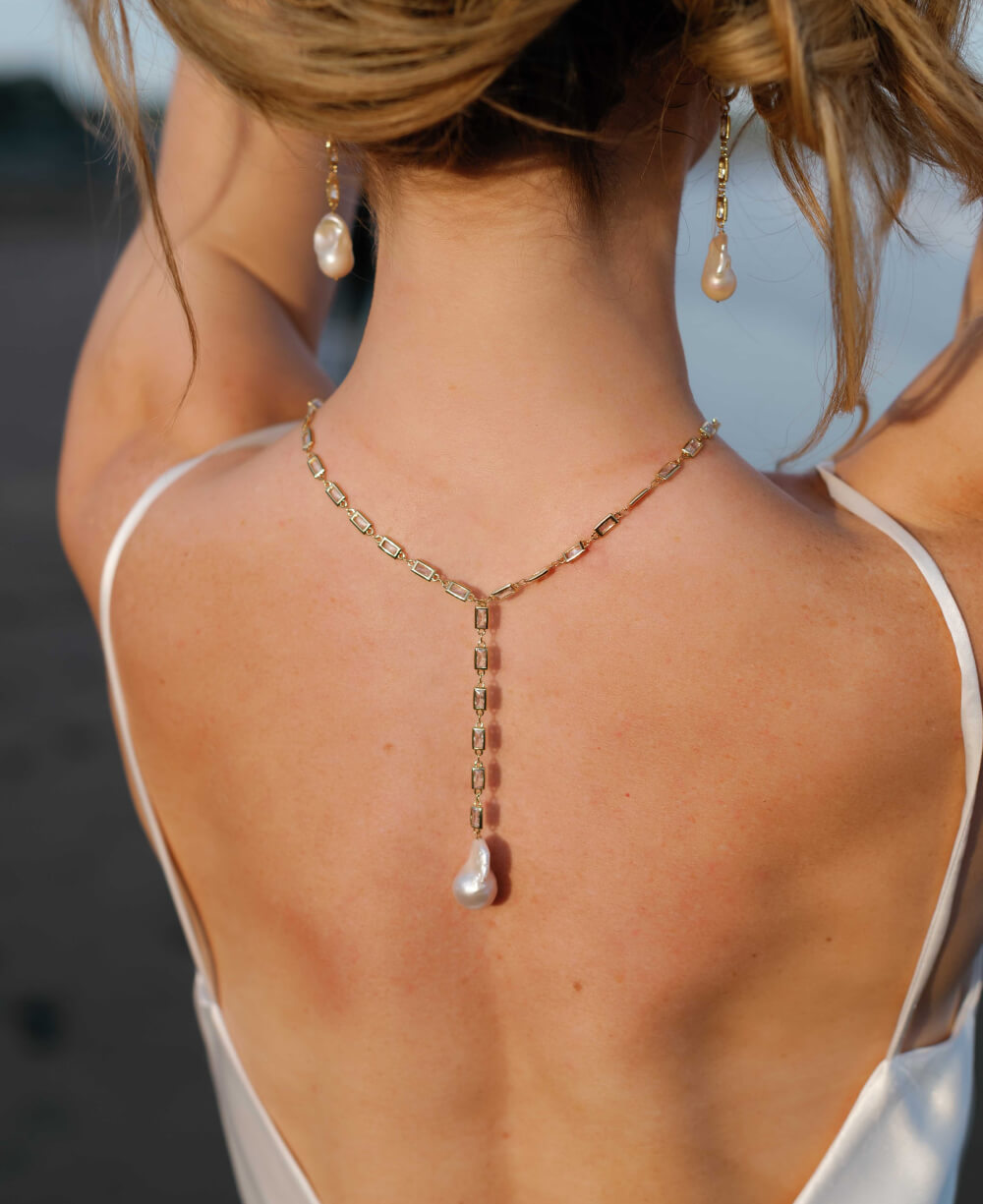
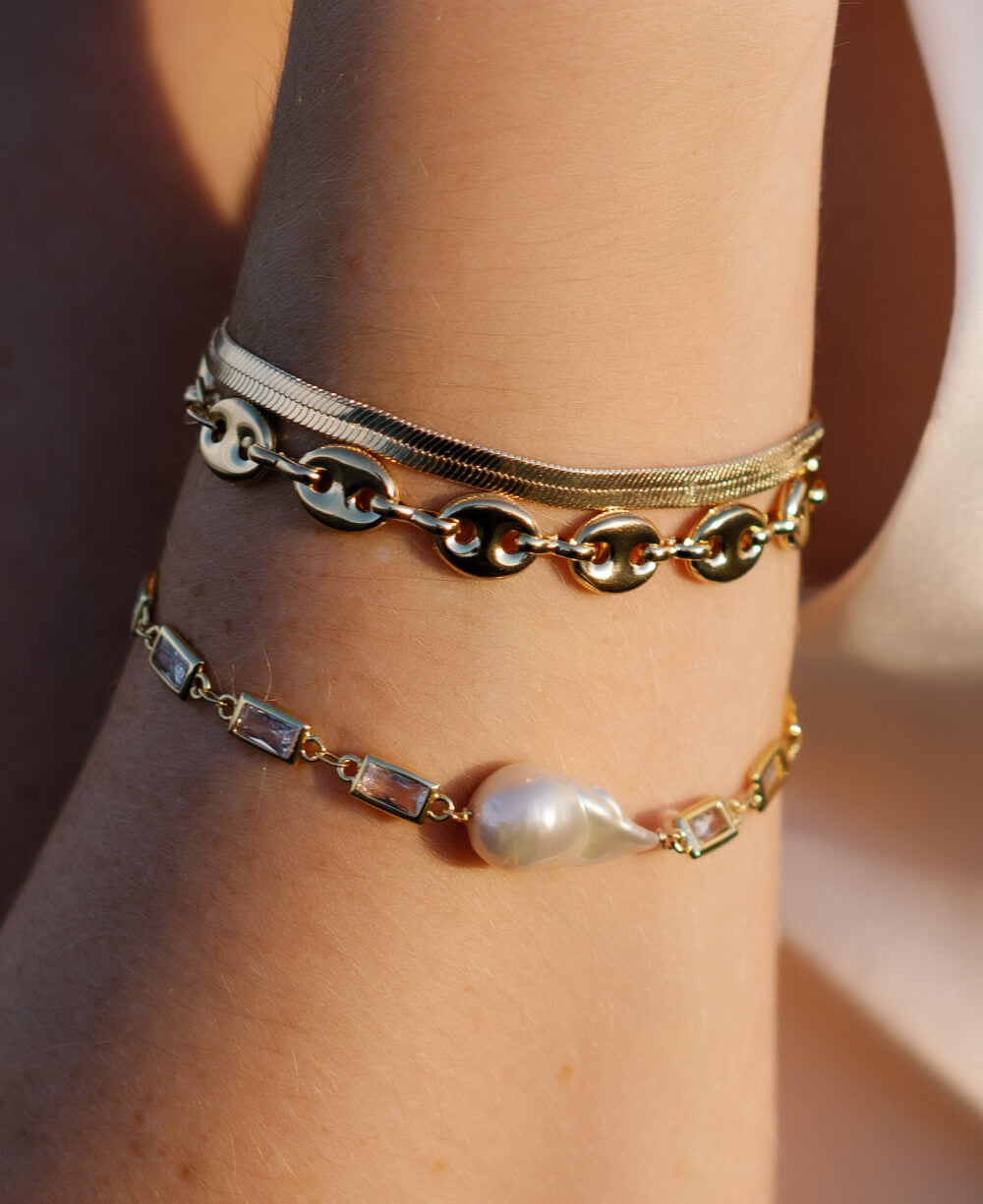
Freshwater pearls are not only round, but they often come in a dazzling array of unique shapes and textures. Over 90% of freshwater pearls are known as baroque pearls or keishi pearls. Little bumps, free-form silhouettes, and abstract textures are what in-part makes each pearl so beautifully special; just like its wearer. These natural gems are found in an array of one-of-a-kind shapes, sizes, colour, symmetry, texture, and lustre – all important characteristics that can increase or decrease a pearl’s value.

A Freshwater pearl farmer only introduces the soft tissue when culturing, there’s no need for a bead with Freshwater pearls. This means that a freshwater pearl is 100% nacre, all the way through the pearl, whereas the layer of nacre in a saltwater pearl will generally account for around 5% of the pearl.
Compared to other gemstones, pearls often go by an A system of grading. A is the lowest rating whilst some specialists will go up to AAAA for more rarer South Sea or Tahitian Pearls. All of our pearls are of the highest AAA grade, and are all hand selected with a strict 7 Pearl Value Factor by a GIA certified gemologist to guarantee you only receive the truest quality.


Freshwater Pearls in Filipino History
Worldwide, pearls have been used by ancient Roman royalty, in ornate Chinese jewelry, and have even been found in ancient Egyptian tombs among pharaohs and princesses. Freshwater and saltwater pearls have widely influenced not only jewelry and fashion – but views on ancient beauty as well. Pearls’ shimmering nacre was highly sought after, and pearls were then crushed and added to water and oils to create sparkling eyeshadows and glimmering body lotions.

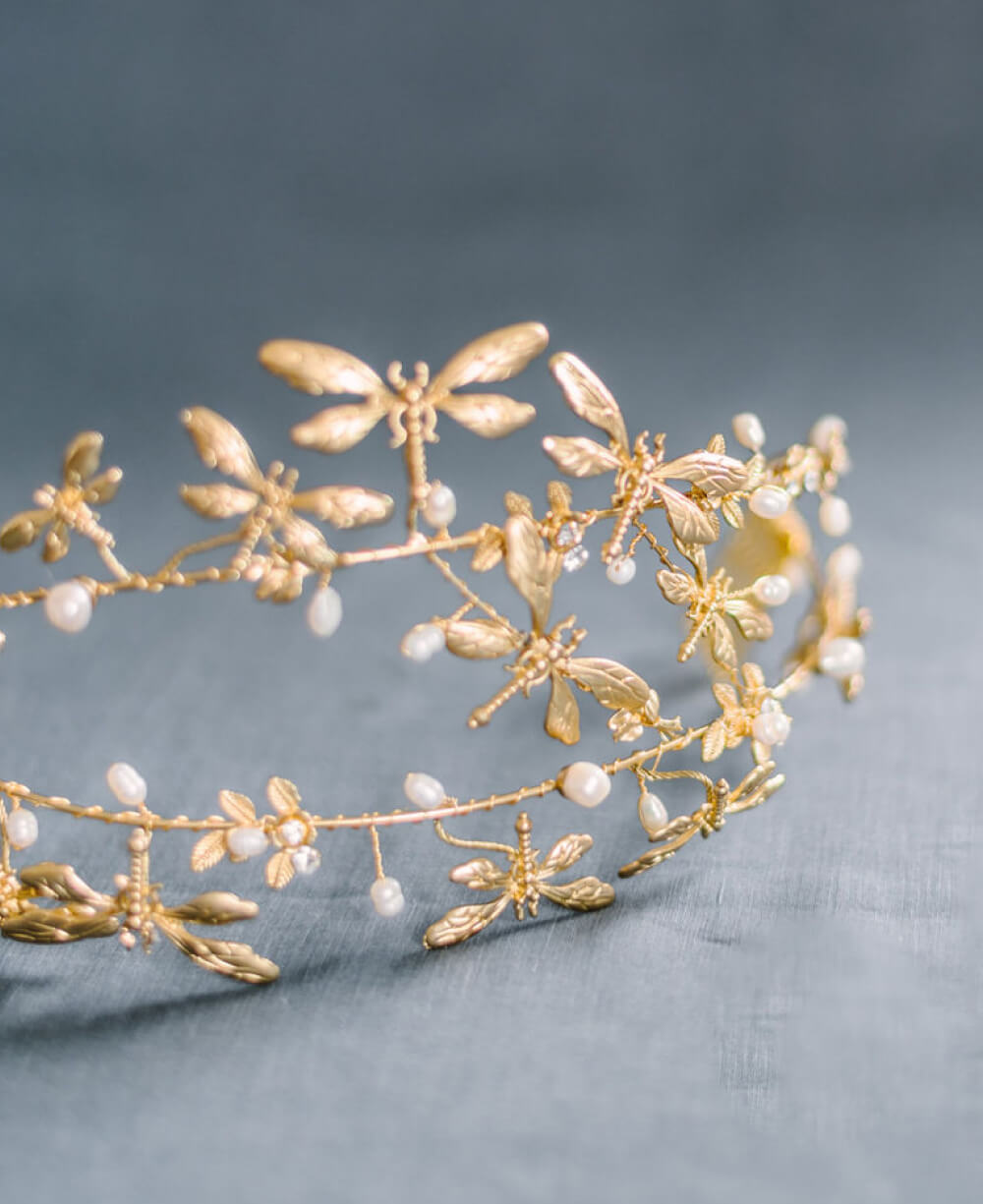
As early as the 1400s, the Philippines were paving the way for the world's most sought after luxury – pearls and pearl jewelry. Catching the eye of the newest colonists in the 16th century, Spanish explorers discovered the abundant pearl beds in the Sulu Sea, which would become one of the world's most important sources of pearls for the next three centuries. From then on, many Filipino pearls would adorn Spanish Colonial Jewelry, and would be worn by native Filipina and Mestiza women alike. Everyday essentials like Pantoche (hairpins), Peineta (decorative combs), and Creolla (earrings) were worn lovingly.

During the disagreement with/uprising against Spanish colonialism, Filipino women island-wide wore this beautifully abundant gemstone as a national symbol of pride and reverence – becoming a world leader in pearl culture, fashion, and earning its well known title as the “Pearl of the Orient Seas”. This nickname comes from its strategic location at the crossroads of the Pacific Ocean and the South China Sea; it also speaks to the country's cultural and natural beauty.

Pearls have been considered as one of the nine precious gems all over the world. As of 1996, the Philippine pearl industry was estimated to be worth $100 million; obtained through the export of pearls, raw shells, processed shells, shell blanks and shell buttons. Pearls are a traditional export commodity and have remained the 8th top earner for the country despite the fact that farming areas are limited to 1,500 hectares. Pearl culture also presents a significant potential for economic development in coastal village communities in the Philippines.
Our Connection
With sustainability at the forefront of our jewelry vision, we make a long-term commitment to using organic freshwater pearls from authentic Filipino communities that care for aquatic life and their natural environment – cultivating in only clean clear waters that are rich in nutrients, with habitat stability at its core. Celebrating her own unique Filipino heritage and culture, artist Theresa Capell sources her freshwater pearls from Manila, Palawan, and Bellatan Halu Island in the Pacific Islands of the Philippines.

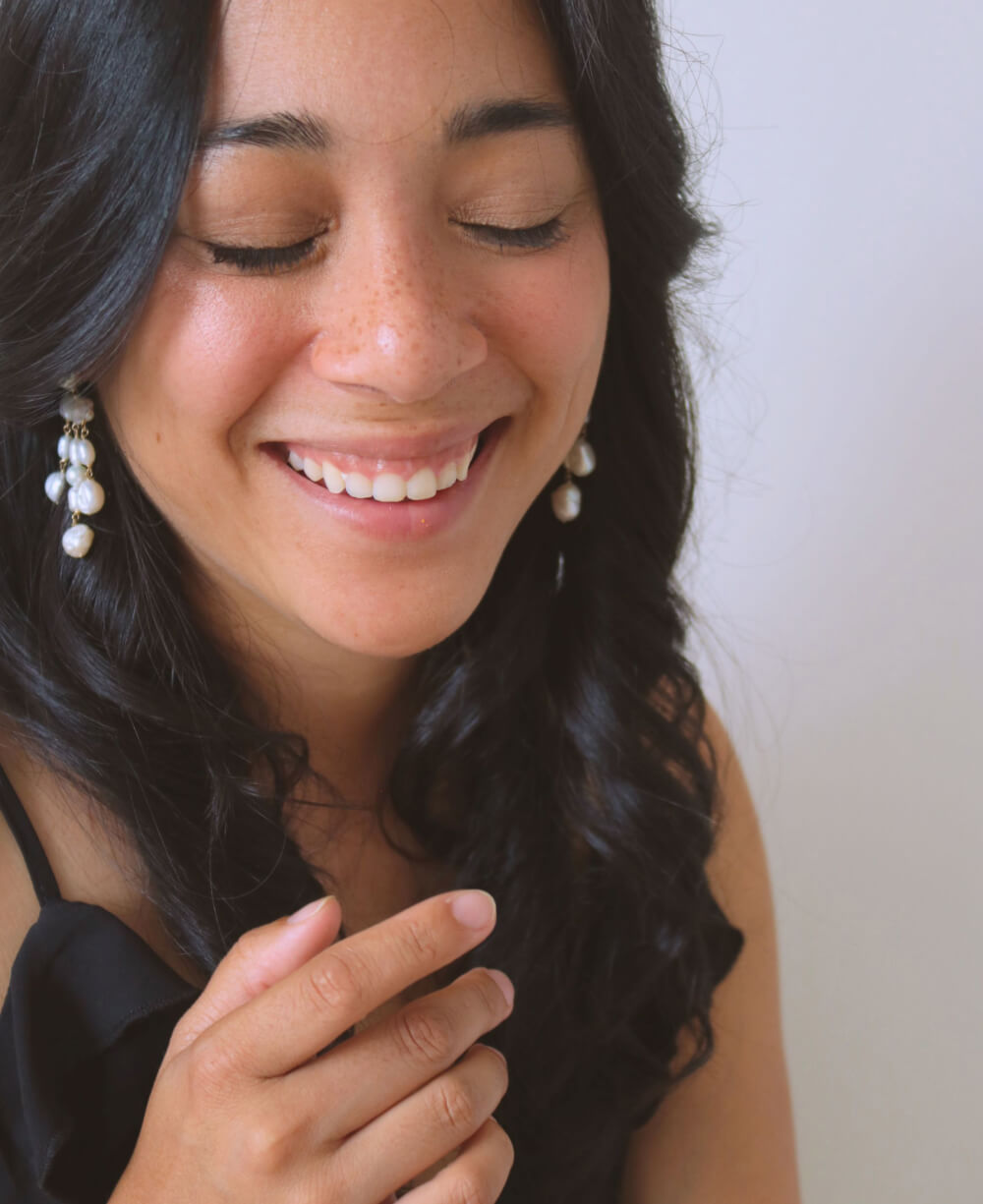
With the heart of the ocean in her soul, East Coast born and islander at heart, Theresa incorporates these unique gemstones of the water within her designs. Using the inspiration from her background, she incorporates the beauty of nature’s imperfections to celebrate her Filipino and Canadian coastal heritage.